Sam Walton's descendants still own 45% of the world's biggest company by revenue — and have never let a single inheritance dispute reach a courtroom, thanks to the governance system he built before he died.
Henry Ford nearly destroyed his own empire by refusing to let go — until his 28-year-old grandson inherited a company in freefall and rebuilt it into a global powerhouse.
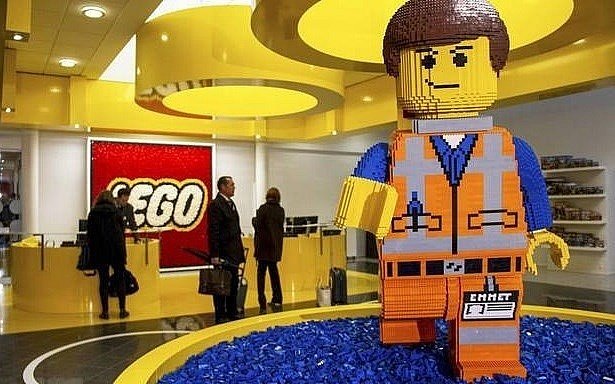
Four generations of the Kristiansen family turned a Danish carpenter's workshop into the world's most recognizable toy brand — surviving near-collapse along the way.
Founded in 1956 by Syed Babar Ali, Packages Group is Pakistan's clearest proof that world-class governance and genuine national contribution can be built by the same family, generation after generation.
Dhirubhai Ambani built one of Asia's greatest business empires from nothing — but left no will and no succession plan, and his sons' rivalry nearly tore it apart.
Founded in 1868 to help build a country, not just a company, the Tata Group's real achievement across six generations was a governance architecture with no real counterpart anywhere else in the world.
Michael Dell left his company in 2004, watched it falter under new leadership, then returned in 2007 to take it private and rebuild it from the ground up — something almost no founder has done.
Every Chick-fil-A closes on Sundays, a rule founder Truett Cathy set in 1967 that no successor has touched in fifty years — the clearest window into how the Cathy family governs.